.png)


7mins
September 15, 2026
How to Choose the Right Office Booth

.jpg)

.svg)
Many companies want their employees back in the office. The expectation behind this is clear: more exchange, better collaboration and a stronger company culture.
But reality often looks different. According to studies, 38% of employees rarely feel that commuting to the office is worth it. 67% even say: the office has to be better than working from home — otherwise, they simply stay away.
So the key question is no longer whether people should return.
The real question is: what needs to change in the office so people actually want to come back?
Hybrid work has fundamentally changed the role of the office. In the past, it was the default place to work. Today, it is an option.
The reasons why employees choose to work from the office vary:
The problem: many offices are not designed to support all of these needs at the same time.
Open-plan layouts may encourage communication, but they also create more distractions. Quiet spaces are often missing — along with the ability to switch between focus and collaboration.
The result is a workplace that tries to be everything at once, but rarely works optimally for anyone.
Many people come to the office for personal interaction, quick coordination and casual conversations by the coffee machine. Discussions happen spontaneously, calls are taken at desks and short alignments happen right in the middle of the room.
In principle, that is positive. But studies clearly show the impact this has on the overall working environment:
The issue is not collaboration itself — it is the lack of spaces that allow focused work and collaboration to coexist.
Without suitable spaces for phone calls, video meetings or quick discussions, everything shifts into the open area. And that is exactly where the distractions arise that ultimately reduce the productivity of people who need to concentrate — because there is no suitable space for focused work either.
Distractions in the office are not just frustrating — they have measurable consequences.
56% of employees in open-plan offices regularly lose significant working time because of interruptions.
In smaller offices, this number is significantly lower at 38%.
The reason lies in what is known as “flow loss”:
When someone is pulled out of a focused working phase, it takes several minutes to become fully productive again.
This lost time adds up quickly and becomes a real cost factor.
This dynamic also explains why many employees prefer working from home when they need to focus.
This means: working from home is not inherently better — many offices simply do not provide the right conditions.
If the office offers neither space for focused work nor distraction-free collaboration, it loses its added value. And people stop coming in.
The good news: employees know exactly what conditions make the office work for them.
Especially in open-plan offices, a clear pattern emerges:
This is not an abstract wish list — it is a concrete blueprint for what modern offices need to look like.
Interestingly, the problem is often not a lack of large meeting rooms.
Much more commonly, companies lack small and flexible solutions for everyday situations:
This is exactly where the typical friction points arise: calls happen at open desks, spontaneous conversations take place in shared spaces because there are simply no dedicated areas available.
These gaps cause collaboration to disturb others — while focused work becomes nearly impossible.
Anyone who believes that simply adding more office space is the solution is mistaken.
A functional office is not created through more square meters, but through better use of the existing space.
Successful office concepts rely on a clear separation between:
Only this combination makes hybrid work truly effective.
Many of these challenges can be addressed strategically — without major renovations.
This is exactly where modular office solutions come into play, as they can be integrated flexibly into existing office environments.
These include:
They create exactly the types of spaces missing in day-to-day office life — while at the same time relieving pressure on open areas.
Employees come to the office when they can work better there than at home.
The requirements for that are clear: fewer distractions, more structure and sufficient retreat spaces.
The issue is not that people do not want to come to the office.
The issue is that many offices are still not designed for the way people work today.
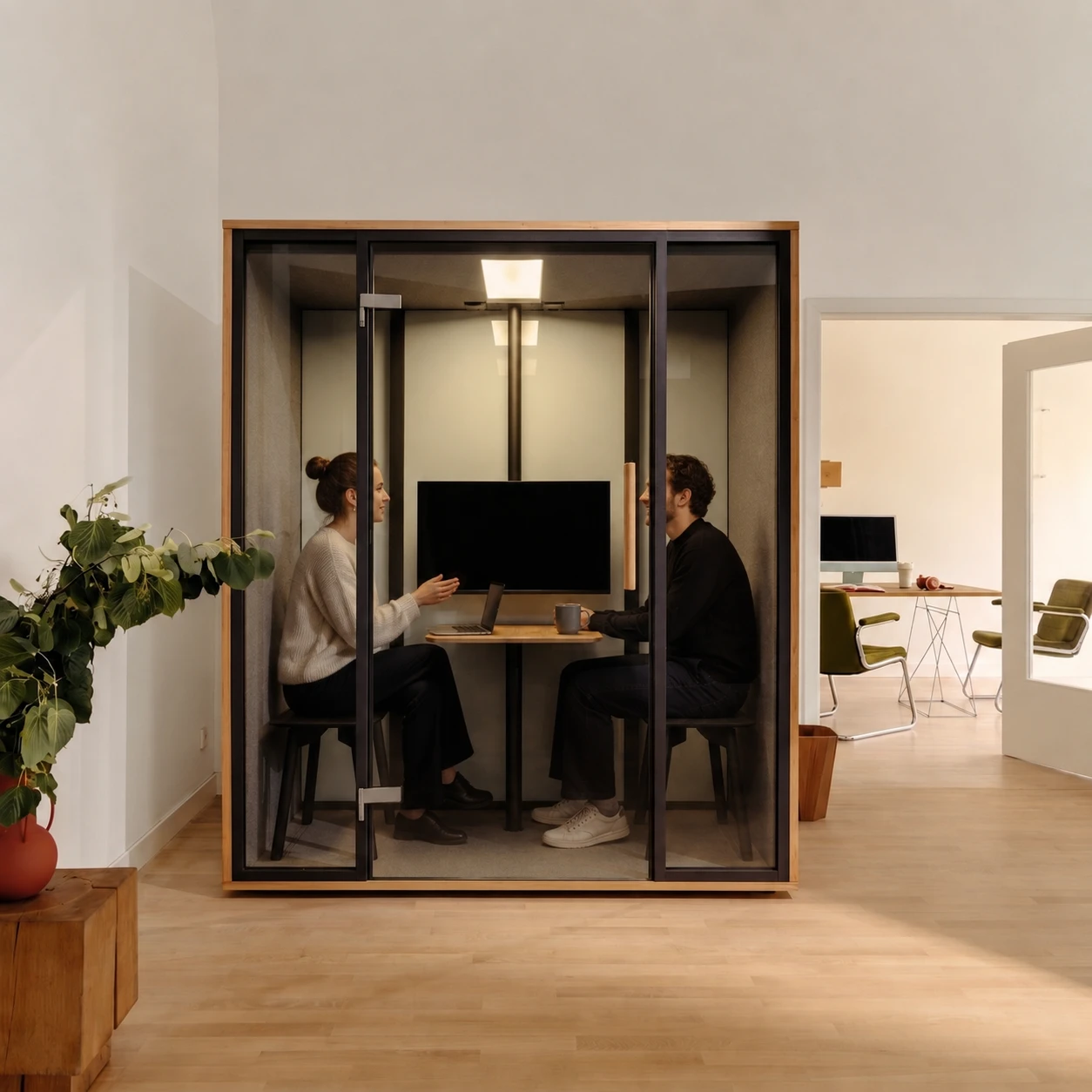
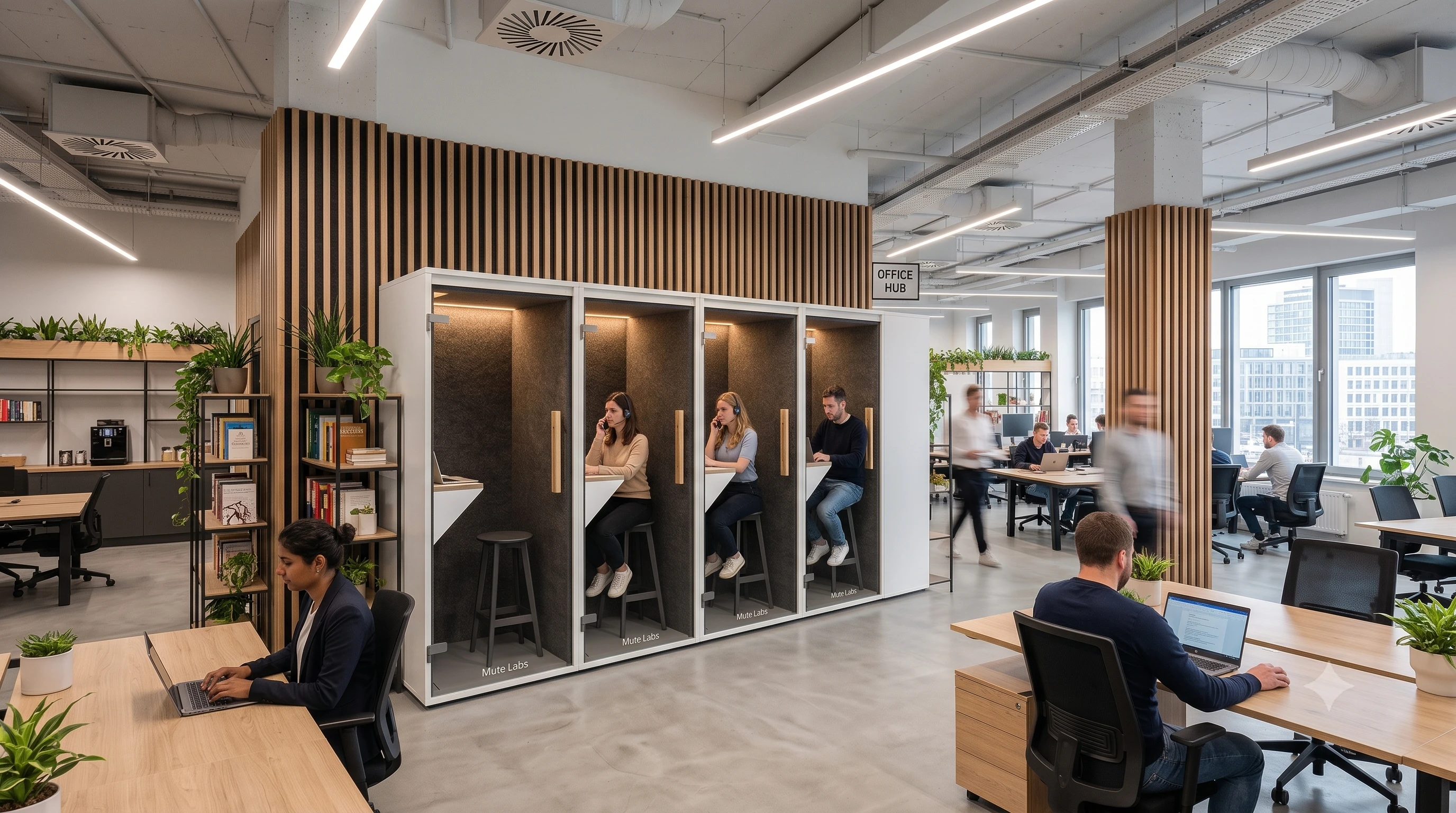
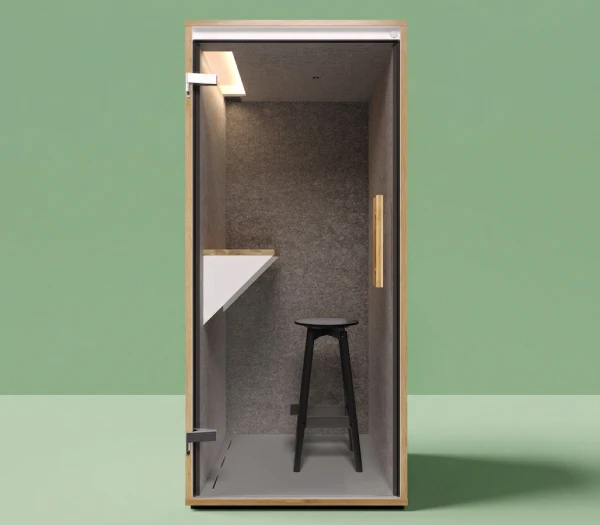
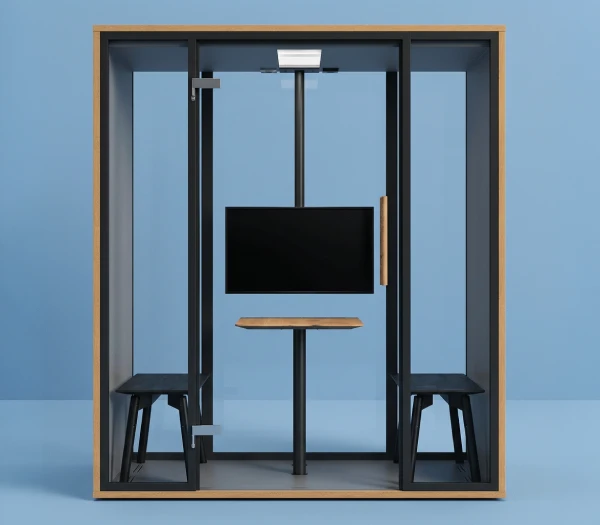
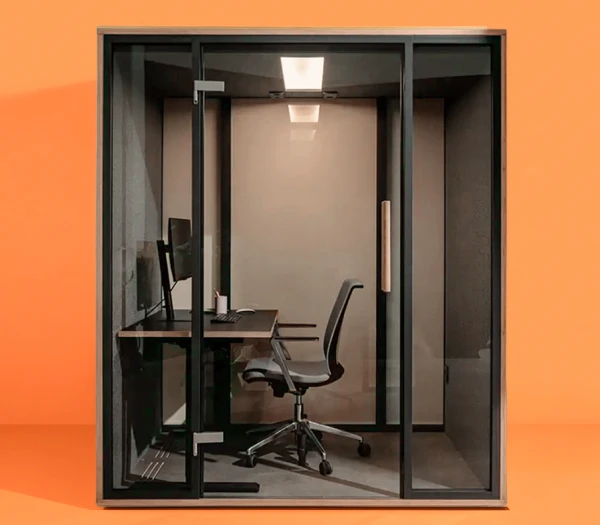
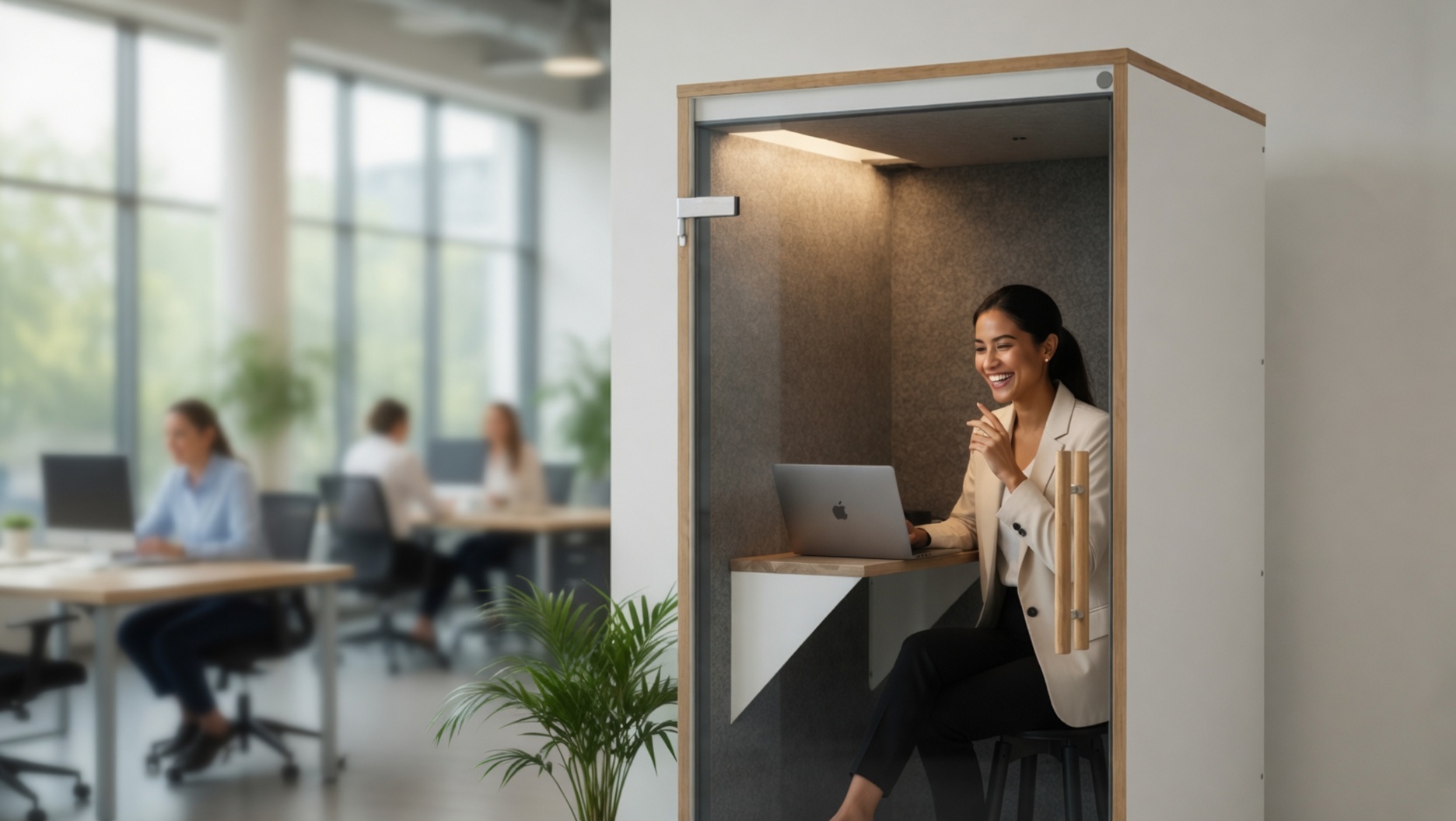
mute-labs phone booths, meeting booths and office booths help companies transform large office spaces into productive work environments quickly and without major renovations. With dedicated spaces for collaboration and exchange, focused work or calls with colleagues working remotely.


.svg)
.svg)

Many companies want their employees back in the office. The expectation behind this is clear: more exchange, better collaboration and a stronger company culture.
But reality often looks different. According to studies, 38% of employees rarely feel that commuting to the office is worth it. 67% even say: the office has to be better than working from home — otherwise, they simply stay away.
So the key question is no longer whether people should return.
The real question is: what needs to change in the office so people actually want to come back?
Hybrid work has fundamentally changed the role of the office. In the past, it was the default place to work. Today, it is an option.
The reasons why employees choose to work from the office vary:
The problem: many offices are not designed to support all of these needs at the same time.
Open-plan layouts may encourage communication, but they also create more distractions. Quiet spaces are often missing — along with the ability to switch between focus and collaboration.
The result is a workplace that tries to be everything at once, but rarely works optimally for anyone.
Many people come to the office for personal interaction, quick coordination and casual conversations by the coffee machine. Discussions happen spontaneously, calls are taken at desks and short alignments happen right in the middle of the room.
In principle, that is positive. But studies clearly show the impact this has on the overall working environment:
The issue is not collaboration itself — it is the lack of spaces that allow focused work and collaboration to coexist.
Without suitable spaces for phone calls, video meetings or quick discussions, everything shifts into the open area. And that is exactly where the distractions arise that ultimately reduce the productivity of people who need to concentrate — because there is no suitable space for focused work either.
Distractions in the office are not just frustrating — they have measurable consequences.
56% of employees in open-plan offices regularly lose significant working time because of interruptions.
In smaller offices, this number is significantly lower at 38%.
The reason lies in what is known as “flow loss”:
When someone is pulled out of a focused working phase, it takes several minutes to become fully productive again.
This lost time adds up quickly and becomes a real cost factor.
This dynamic also explains why many employees prefer working from home when they need to focus.
This means: working from home is not inherently better — many offices simply do not provide the right conditions.
If the office offers neither space for focused work nor distraction-free collaboration, it loses its added value. And people stop coming in.
The good news: employees know exactly what conditions make the office work for them.
Especially in open-plan offices, a clear pattern emerges:
This is not an abstract wish list — it is a concrete blueprint for what modern offices need to look like.
Interestingly, the problem is often not a lack of large meeting rooms.
Much more commonly, companies lack small and flexible solutions for everyday situations:
This is exactly where the typical friction points arise: calls happen at open desks, spontaneous conversations take place in shared spaces because there are simply no dedicated areas available.
These gaps cause collaboration to disturb others — while focused work becomes nearly impossible.
Anyone who believes that simply adding more office space is the solution is mistaken.
A functional office is not created through more square meters, but through better use of the existing space.
Successful office concepts rely on a clear separation between:
Only this combination makes hybrid work truly effective.
Many of these challenges can be addressed strategically — without major renovations.
This is exactly where modular office solutions come into play, as they can be integrated flexibly into existing office environments.
These include:
They create exactly the types of spaces missing in day-to-day office life — while at the same time relieving pressure on open areas.
Employees come to the office when they can work better there than at home.
The requirements for that are clear: fewer distractions, more structure and sufficient retreat spaces.
The issue is not that people do not want to come to the office.
The issue is that many offices are still not designed for the way people work today.
mute-labs phone booths, meeting booths and office booths help companies transform large office spaces into productive work environments quickly and without major renovations. With dedicated spaces for collaboration and exchange, focused work or calls with colleagues working remotely.
.svg)
.svg)
.svg)