.png)


7mins
September 15, 2026
Back to the Office: How Spatial Collaboration Works in the Hybrid Workplace

.jpg)

.svg)
Across Europe, companies are reducing their footprint, adapting to hybrid work, rising costs, and changing workplace expectations. According to industry forecasts, office demand is expected to decline even further in the coming years. Resulting in the question:
Rather than relying on assumptions, we asked 600 office employees how shrinking office space affects their work, productivity, and experience in the workplace.
Interestingly employees are not automatically against smaller offices. Many are actually willing to accept less space, if it is better structured.
The message throughout the study is remarkably consistent. People care less about square metres than access to focus spaces, quieter environments, reliable workstations, better acoustics, and places for private conversations.
As offices become denser, employees report a growing number of everyday frustrations.
Noise becomes more noticeable. Finding a suitable place to concentrate becomes harder. Video calls, hybrid meetings and the like turn into logistical challenges. Meeting rooms become scarce and noone wants to block a whole meeting room just for a catch-up call with a colleague working remotely. What starts as a real-estate decision quickly becomes a workplace experience issue.
Our research found that employees in open-plan environments are significantly more affected by distractions and are far more likely to demand quiet retreat spaces, better acoustics, and dedicated areas for focused work.
The study also highlights another reality: every day in the office is compared with the alternative.
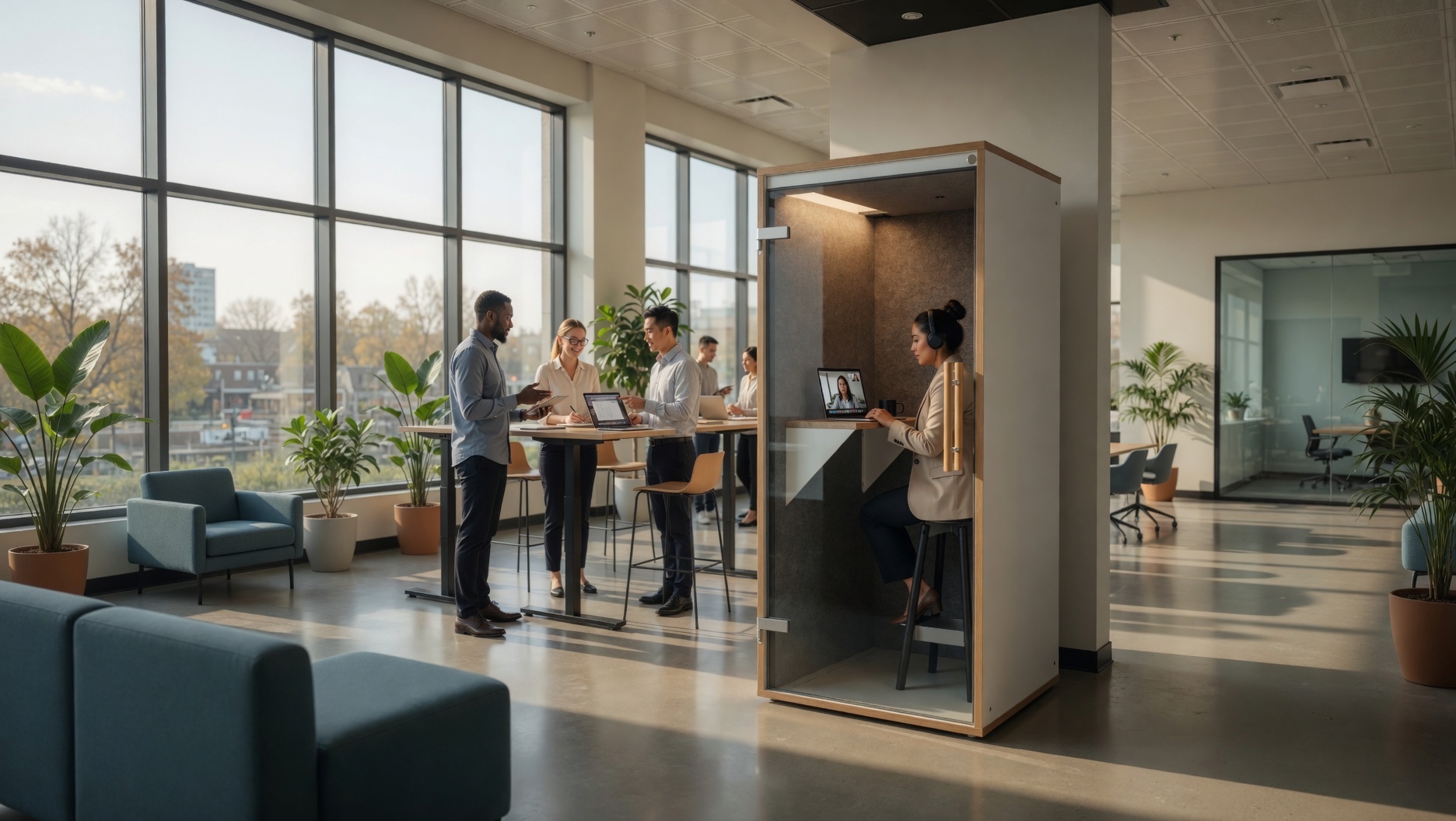
For many employees, home remains the easiest place to focus. If the office wants to remain relevant, it needs to offer room for both collaboration and concentration. It cannot be one or the other. Employees expect spaces where they can meet colleagues, exchange ideas, and work together — but also spaces where they can think, write, analyse, and get work done without interruption.
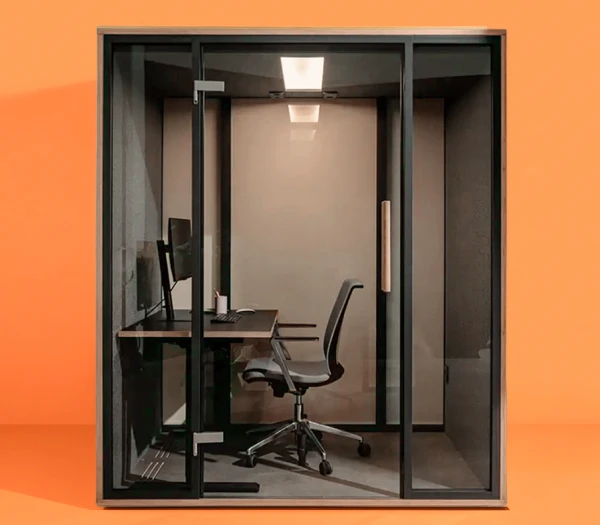
At mute-labs, we have spent years helping companies create quiet places within busy workplaces. We’ve always been convinced that our products make office life better and solve real issues.
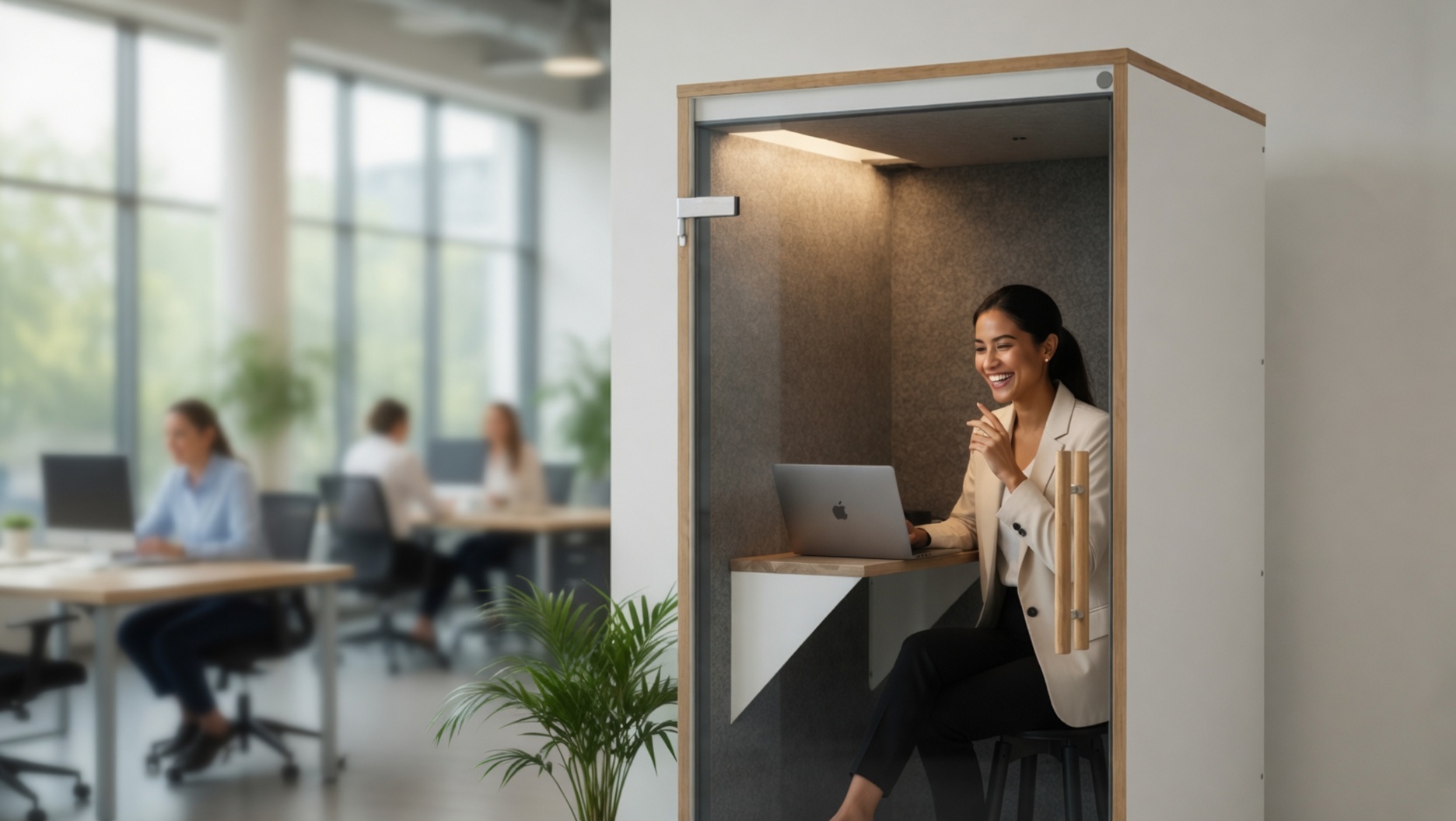
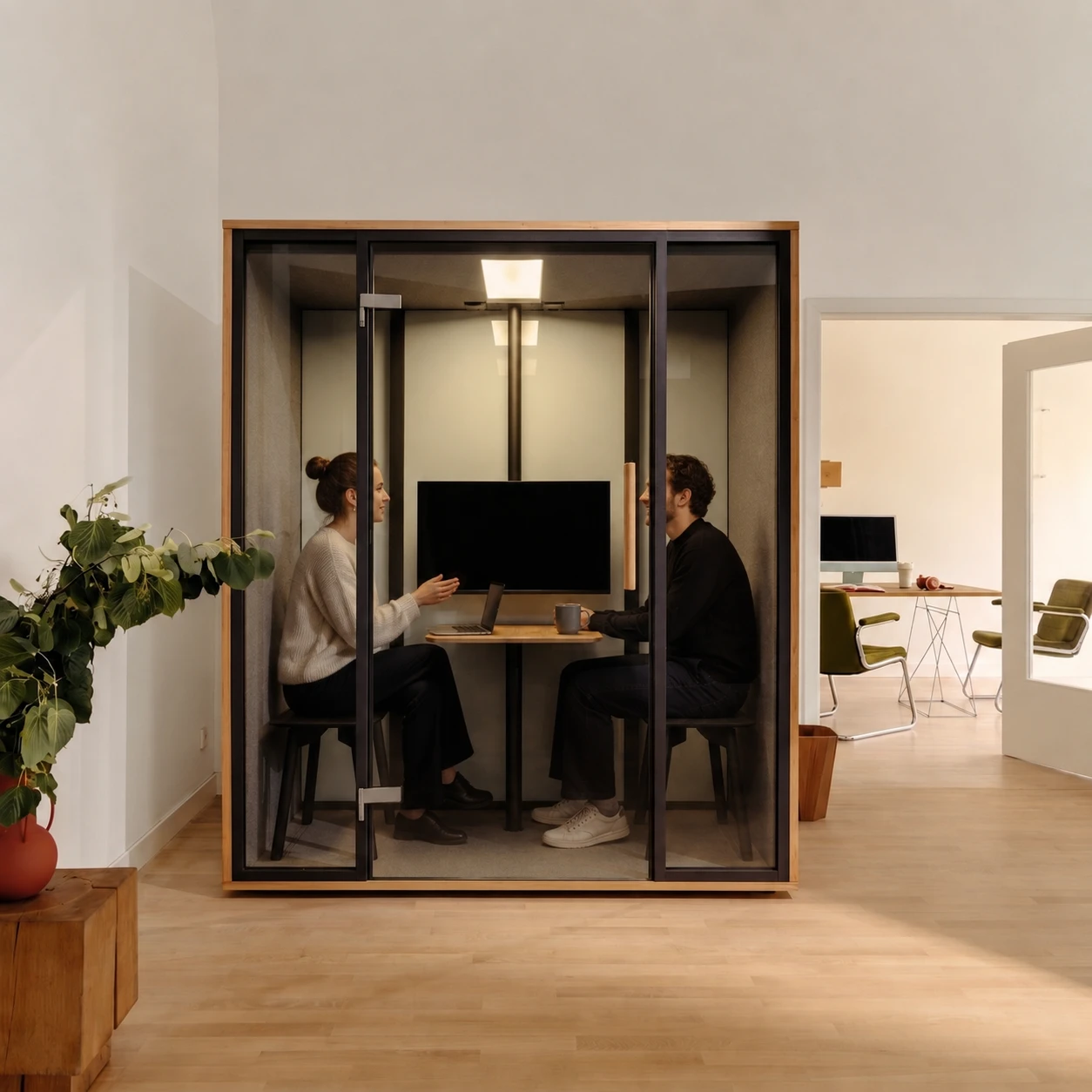
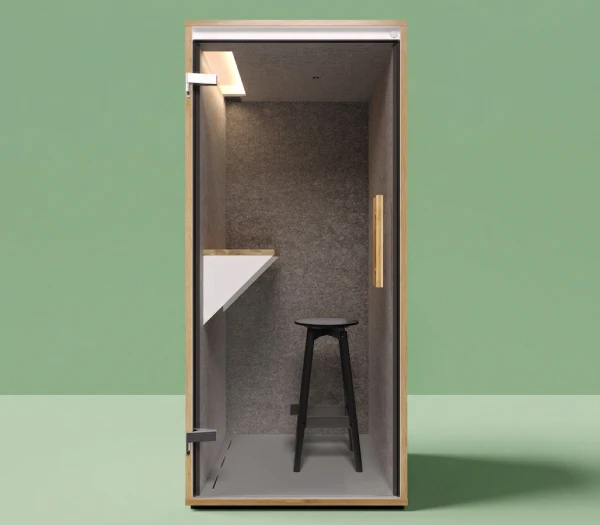
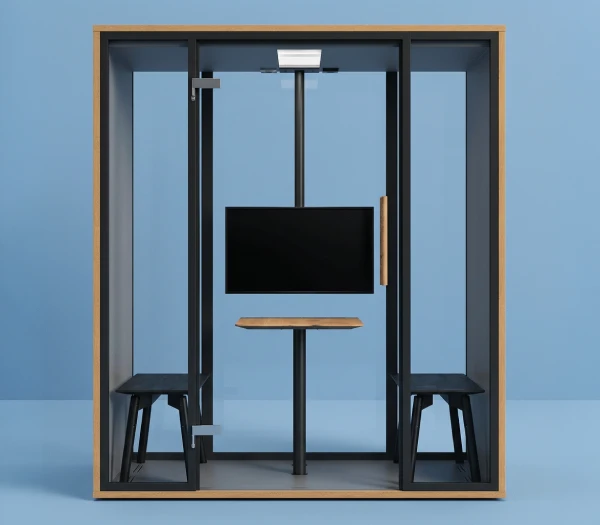
The feedback has been insanely positive. Managers and Employees alike adapt to the office life with our meeting-, phone-, and officebooths quickly and use them on a daily basis. And we love hearing that feedback.
But this time we wanted to dig a little deeper and get real numbers from employees across Europe. Not just from our customers. We’re so proud to present this study and all it’s interesting findings.
Download the full report here
The complete report explores how 600 employees view shrinking office space, hybrid work, workplace quality, focus environments, acoustics, and the future role of the office.
Download the report to discover the full findings and learn what employees believe modern workplaces need to stay relevant.


.svg)
.svg)

Across Europe, companies are reducing their footprint, adapting to hybrid work, rising costs, and changing workplace expectations. According to industry forecasts, office demand is expected to decline even further in the coming years. Resulting in the question:
Rather than relying on assumptions, we asked 600 office employees how shrinking office space affects their work, productivity, and experience in the workplace.
Interestingly employees are not automatically against smaller offices. Many are actually willing to accept less space, if it is better structured.
The message throughout the study is remarkably consistent. People care less about square metres than access to focus spaces, quieter environments, reliable workstations, better acoustics, and places for private conversations.
As offices become denser, employees report a growing number of everyday frustrations.
Noise becomes more noticeable. Finding a suitable place to concentrate becomes harder. Video calls, hybrid meetings and the like turn into logistical challenges. Meeting rooms become scarce and noone wants to block a whole meeting room just for a catch-up call with a colleague working remotely. What starts as a real-estate decision quickly becomes a workplace experience issue.
Our research found that employees in open-plan environments are significantly more affected by distractions and are far more likely to demand quiet retreat spaces, better acoustics, and dedicated areas for focused work.
The study also highlights another reality: every day in the office is compared with the alternative.
For many employees, home remains the easiest place to focus. If the office wants to remain relevant, it needs to offer room for both collaboration and concentration. It cannot be one or the other. Employees expect spaces where they can meet colleagues, exchange ideas, and work together — but also spaces where they can think, write, analyse, and get work done without interruption.
At mute-labs, we have spent years helping companies create quiet places within busy workplaces. We’ve always been convinced that our products make office life better and solve real issues.
The feedback has been insanely positive. Managers and Employees alike adapt to the office life with our meeting-, phone-, and officebooths quickly and use them on a daily basis. And we love hearing that feedback.
But this time we wanted to dig a little deeper and get real numbers from employees across Europe. Not just from our customers. We’re so proud to present this study and all it’s interesting findings.
Download the full report here
The complete report explores how 600 employees view shrinking office space, hybrid work, workplace quality, focus environments, acoustics, and the future role of the office.
Download the report to discover the full findings and learn what employees believe modern workplaces need to stay relevant.
.svg)
.svg)
.svg)