.png)


5mins
September 24, 2026
We're Here for a Reason

.jpg)

.svg)

Step into a leading workspace in 2026 and one thing stands out: silence. Not emptiness, but intentional quiet that supports meaningful work. As open offices continue to drain attention, the most valued spaces are those that protect it. Quiet zones, focus rooms and telephone booths are becoming the new version of the corner office. They show that a company takes deep work and its people seriously.
This change is the result of years of noise fatigue and the rise of hybrid work. The purpose of today’s office is no longer to fit as many desks as possible. It is to support a full range of activities: collaboration, exchange and real concentration.
Employees will not commute to a space that feels chaotic. They will come in for something they cannot fully recreate at home: reliable quiet combined with spontaneous collaboration and a sense of shared energy.
Design insights reveal a clear direction. Offices are moving away from large desk areas and toward a mix of work settings. These include:
Attention is rare and noise is constant. The most forward thinking workplaces are restoring balance by creating enough high quality quiet space.
Three qualities give quiet areas special significance.
Scarcity - If deep work areas are limited, they quickly become the most desirable places in the office.
Visibility - When quiet zones are integrated into the layout instead of being hidden, they strengthen the identity of the workplace.
Experience - A quiet area must feel good to use. Acoustic comfort, lighting, ventilation and easy access all matter. If the experience is inconvenient, people avoid the space.
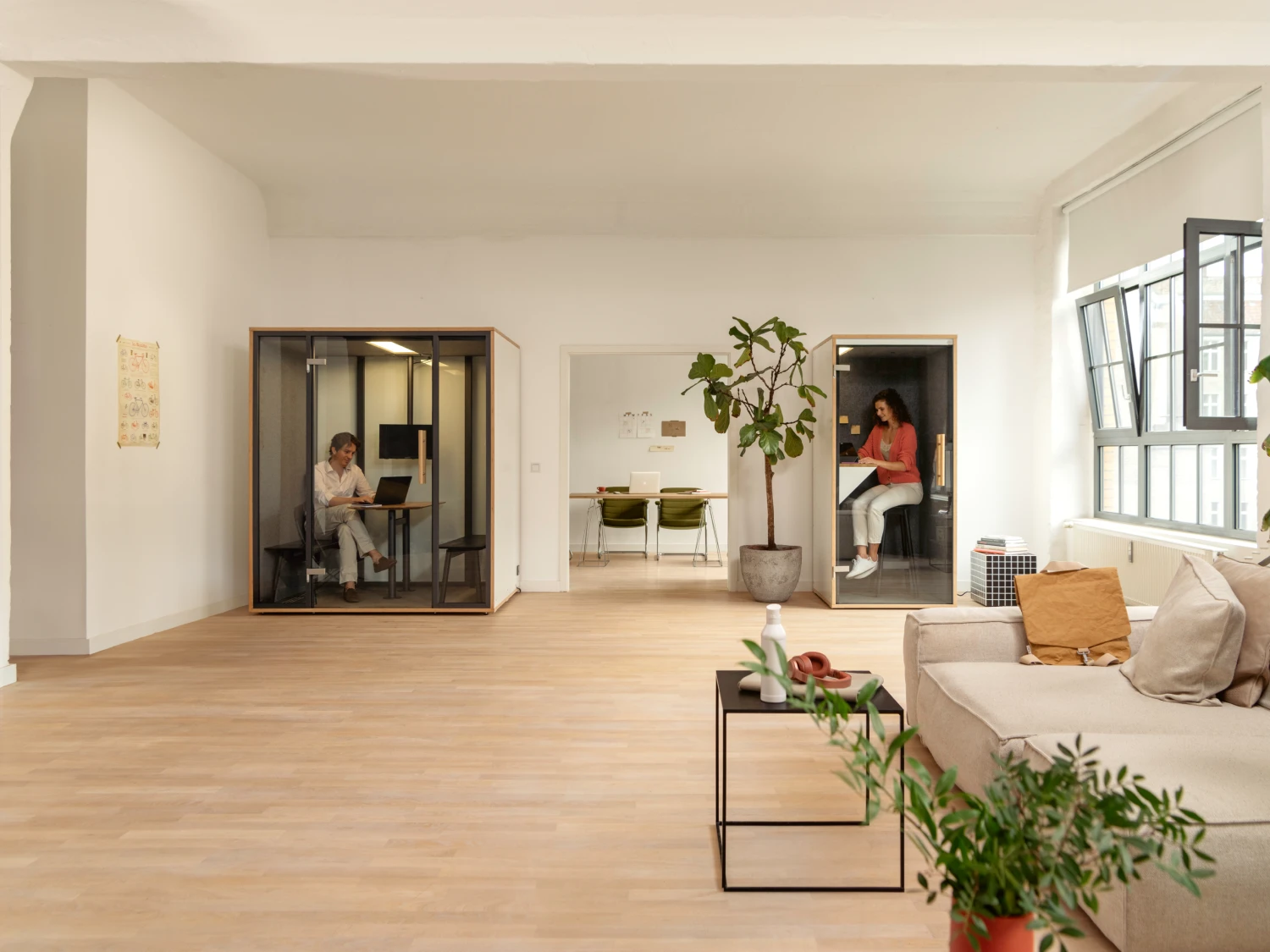
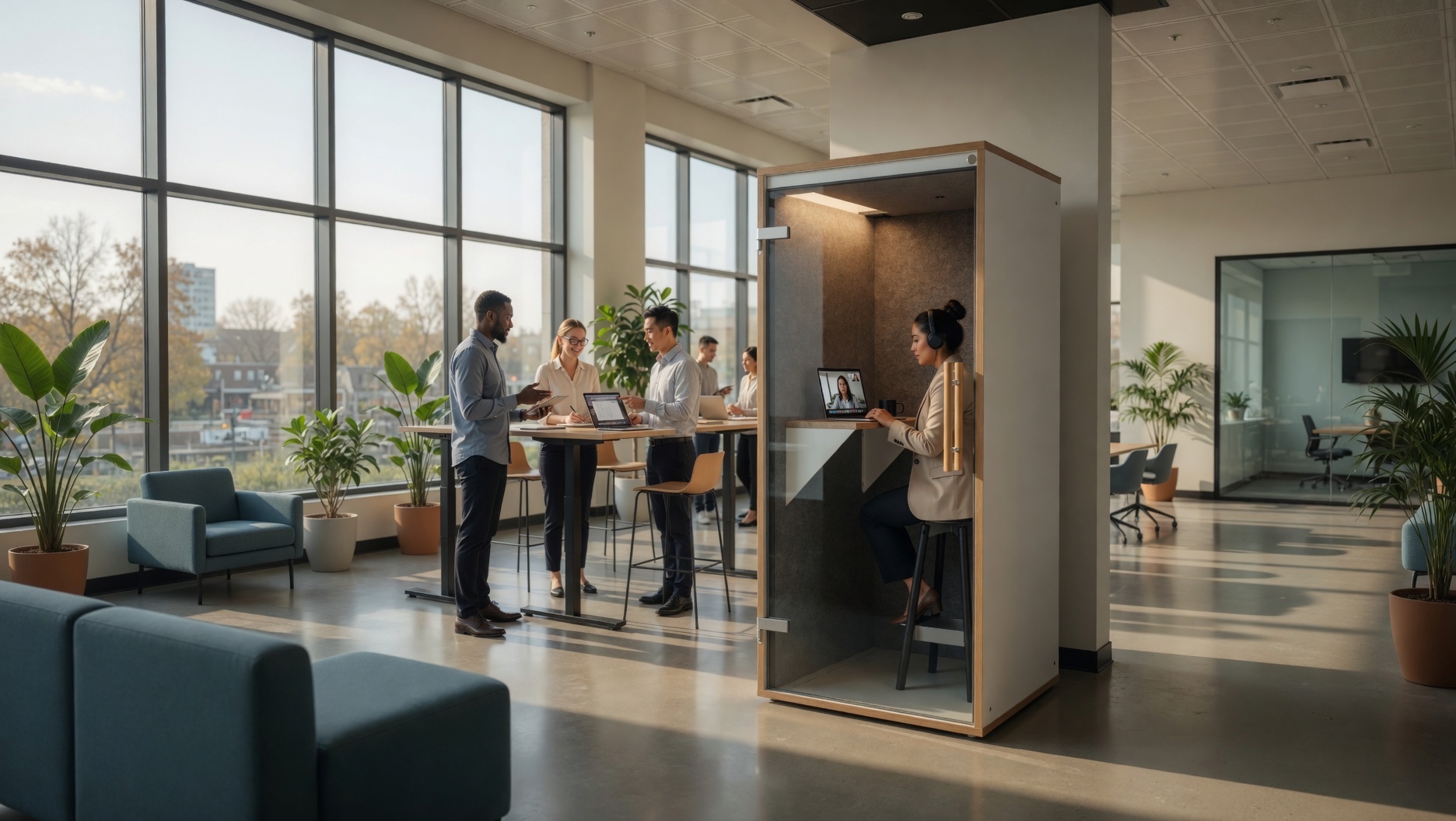
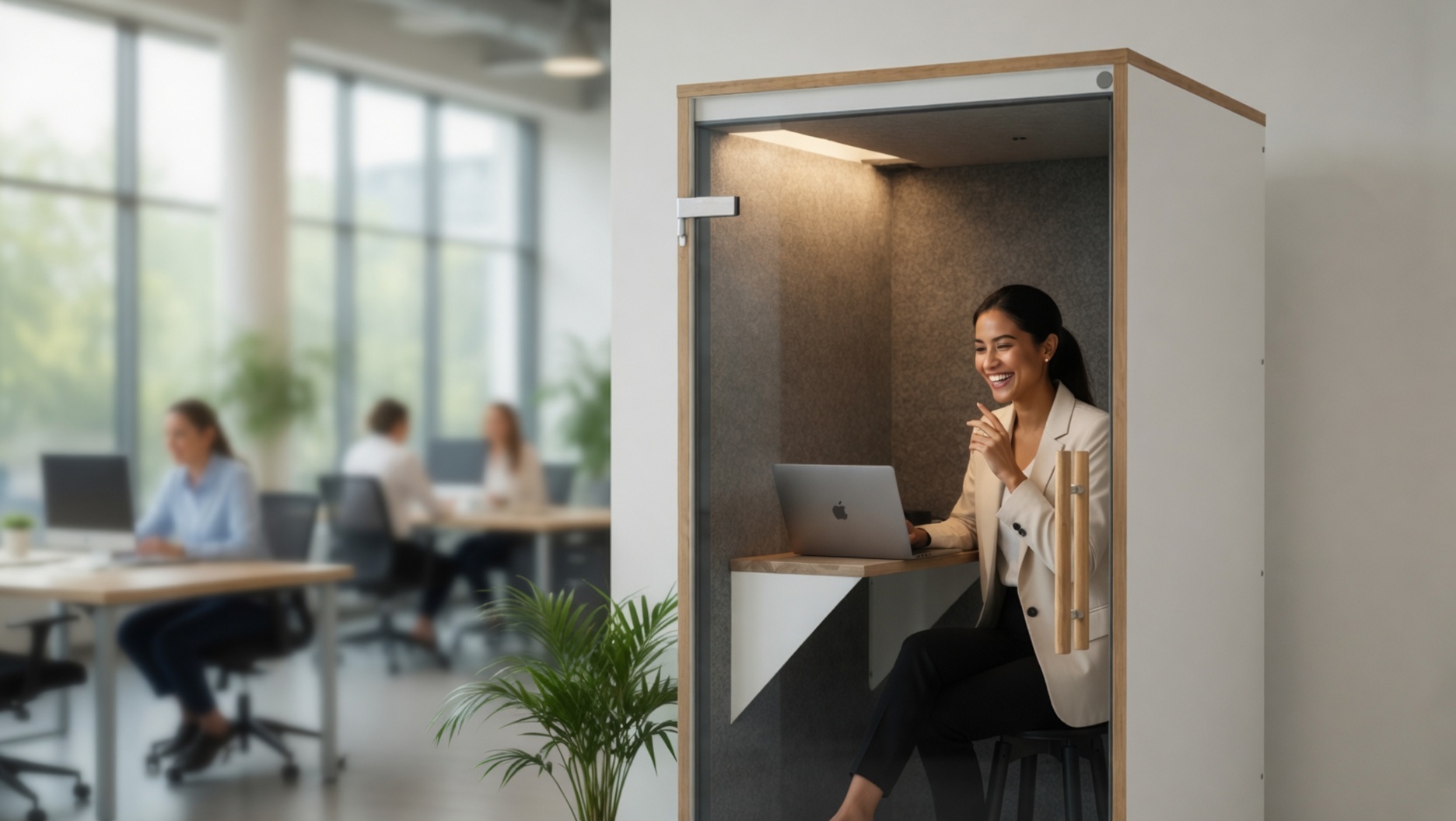
Telephone booths create immediate and flexible focus capacity. They are compact, easy to place and enhance the office without any disruption. Positioned next to team areas or shared zones, they support a natural flow between concentrated work and exchange.
This is what we describe as quiet prestige. It is practical, it looks good and it transforms the feel of the workplace.
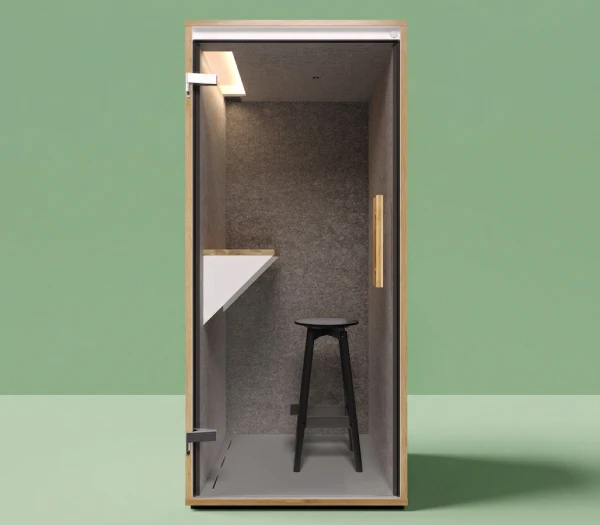
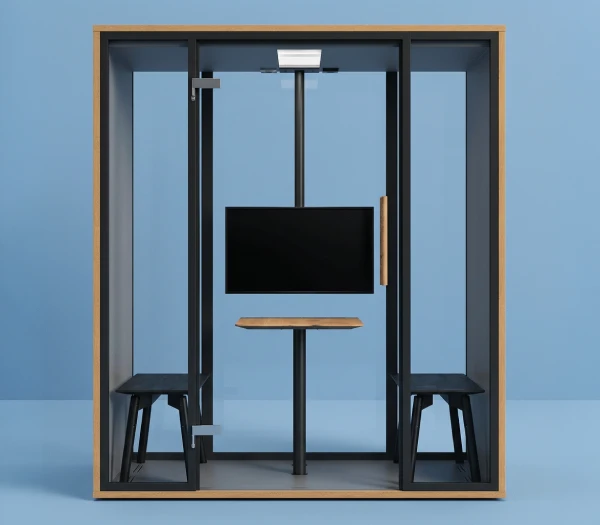
mute-labs booths embody this idea. They are sound insulated, accessible and designed to keep things simple. They give everyone reliable access to quiet without extra planning or construction.
A clear, people centered approach works best.
Understand the tasks - Identify which activities require quiet, privacy or short focused bursts. If concentrated work is always squeezed, you do not have a meeting room problem. You have a quiet capacity problem.
Add telephone booths early - They offer the fastest and most visible improvement in day to day work.
Keep etiquette simple - Rules should be easy to understand. Are laptops fine? Are calls allowed? How long should someone stay inside? Clear guidance reduces confusion.
Monitor usage - Look at how often quiet spaces are occupied. Add booths where demand is high. Move them if they stay unused.


Because silence signals respect for time, attention and meaningful work. As companies rethink their office strategy, acoustic comfort becomes a strong foundation for trust and well being.
In 2026, the offices people admire will not be the loudest ones. They will be the ones where quiet is intentionally designed, easy to access and clearly part of the culture.
For every workspace.
.svg)
.svg)


Step into a leading workspace in 2026 and one thing stands out: silence. Not emptiness, but intentional quiet that supports meaningful work. As open offices continue to drain attention, the most valued spaces are those that protect it. Quiet zones, focus rooms and telephone booths are becoming the new version of the corner office. They show that a company takes deep work and its people seriously.
This change is the result of years of noise fatigue and the rise of hybrid work. The purpose of today’s office is no longer to fit as many desks as possible. It is to support a full range of activities: collaboration, exchange and real concentration.
Employees will not commute to a space that feels chaotic. They will come in for something they cannot fully recreate at home: reliable quiet combined with spontaneous collaboration and a sense of shared energy.
Design insights reveal a clear direction. Offices are moving away from large desk areas and toward a mix of work settings. These include:
Attention is rare and noise is constant. The most forward thinking workplaces are restoring balance by creating enough high quality quiet space.
Three qualities give quiet areas special significance.
Scarcity - If deep work areas are limited, they quickly become the most desirable places in the office.
Visibility - When quiet zones are integrated into the layout instead of being hidden, they strengthen the identity of the workplace.
Experience - A quiet area must feel good to use. Acoustic comfort, lighting, ventilation and easy access all matter. If the experience is inconvenient, people avoid the space.
Telephone booths create immediate and flexible focus capacity. They are compact, easy to place and enhance the office without any disruption. Positioned next to team areas or shared zones, they support a natural flow between concentrated work and exchange.
This is what we describe as quiet prestige. It is practical, it looks good and it transforms the feel of the workplace.
mute-labs booths embody this idea. They are sound insulated, accessible and designed to keep things simple. They give everyone reliable access to quiet without extra planning or construction.
A clear, people centered approach works best.
Understand the tasks - Identify which activities require quiet, privacy or short focused bursts. If concentrated work is always squeezed, you do not have a meeting room problem. You have a quiet capacity problem.
Add telephone booths early - They offer the fastest and most visible improvement in day to day work.
Keep etiquette simple - Rules should be easy to understand. Are laptops fine? Are calls allowed? How long should someone stay inside? Clear guidance reduces confusion.
Monitor usage - Look at how often quiet spaces are occupied. Add booths where demand is high. Move them if they stay unused.
Because silence signals respect for time, attention and meaningful work. As companies rethink their office strategy, acoustic comfort becomes a strong foundation for trust and well being.
In 2026, the offices people admire will not be the loudest ones. They will be the ones where quiet is intentionally designed, easy to access and clearly part of the culture.
For every workspace.
.svg)
.svg)
.svg)